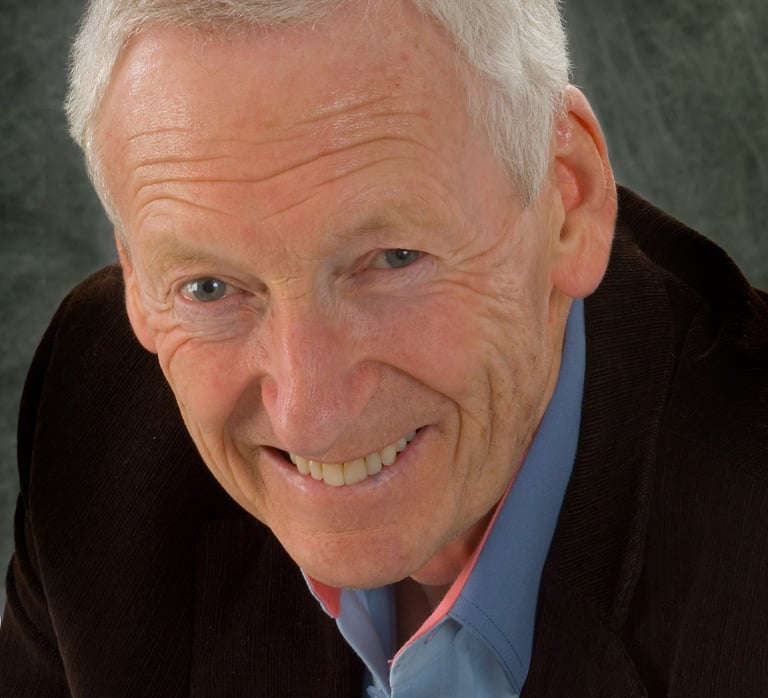
Anthony Grey - 1938-2025
“It’s with deep sadness that we announce that our dear Dad Anthony Grey has died at the good old age of 87. He led his extraordinary life with great gusto, unending curiosity and boundless love. He was such a funny, vibrant and erudite man whose love for us was almost as deep as his love of words. His novels are a big part of his legacy and we hope they will continue to bring pleasure to people around the world for years to come.
With infinite love, Clarissa and Lucy Grey.”
October 2025
Anthony Grey’s books
Anthony Grey’s novels, short stories and non-fiction books have been translated into 16 languages worldwide. He is best known internationally for his enduring historical novels Saigon, Peking, Tokyo Bay and The Bangkok Secret.
He became a foreign correspondent with Reuters after beginning a career in journalism in Scotland and then Norwich where he grew up. After covering the Cold War from East Berlin and other East European capitals he was assigned to China. He was the sole Reuters correspondent based in Peking in 1967 and the only British Journalist then resident in the Chinese capital. Anthony first came to world attention when he was taken hostage by Mao Tse-tung’s Red Guards at the height of the Cultural Revolution and held in solitary confinement for two years. After his release, his first book Hostage in Peking became a bestseller in seven countries. He then turned to fiction and went on to become an international bestselling novelist.
'Anthony Grey is one of that rare species, a born storyteller.'
John Dickie, Daily Mail
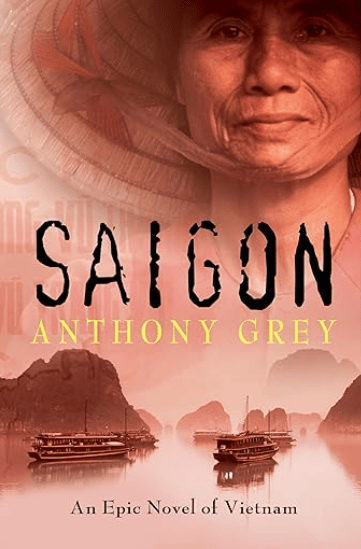
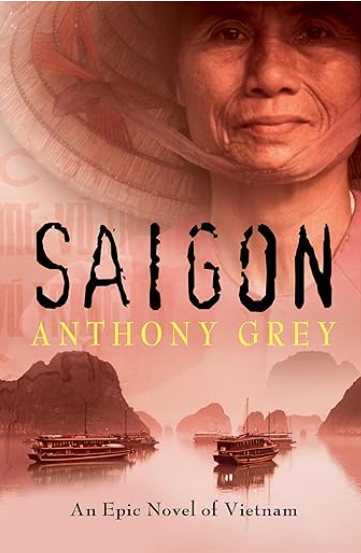
Saigon
‘This superb novel could well be the War and Peace of our age. By using a technique of historic progression Anthony Grey does for the Vietnam Wars what Leo Tolstoy did for the Napoleonic wars… Brings readers closer to the social and political upheaval that overturned Vietnam than perhaps any novelist has done before.’ - San Francisco Chronicle
'An epic novel of terrible importance… Like James Michener and James Clavell, Mr Grey is a master storyteller. Unlike them, however, he has something pertinent to say and does so in distinguished fashion.’ - Kansas City Star
‘Long overdue epic masterpiece of twentieth-century Vietnam. The author balances political intrigues and wartime horrors with a story of human sensitivity and love.’ - Advance Library Journal, New York
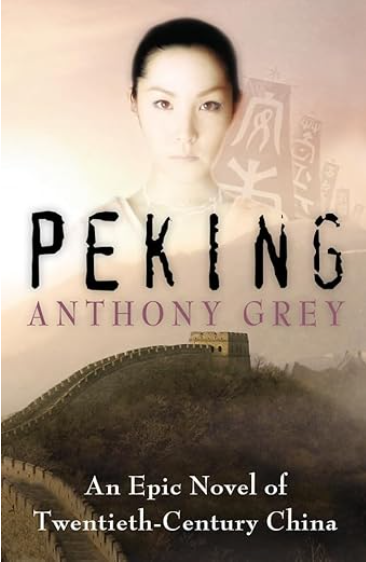
Peking
‘A magnificent epic novel of modern China… worth reading solely as a factual reminder of the chaos and calamity of China as a quarter of the world’s people struggled and suffered towards modernity in the stormy and cruel decades between 1920 and 1980.’ - Toronto Star
‘Grey, a superbly accomplished writer, weaves a masterly tale of triumph and tragedy… marvellous detail, erudite, imaginative and instructive sequel to his previous best-selling novel Saigon.' - Western Australian
‘A moving, authentic, tautly written saga of forty years of blood, sweat and tears… conveys brilliantly the workings of the Chinese Communist system in its dealings with foreigners and dissidents.’ - Los Angeles Times
Tokyo Bay
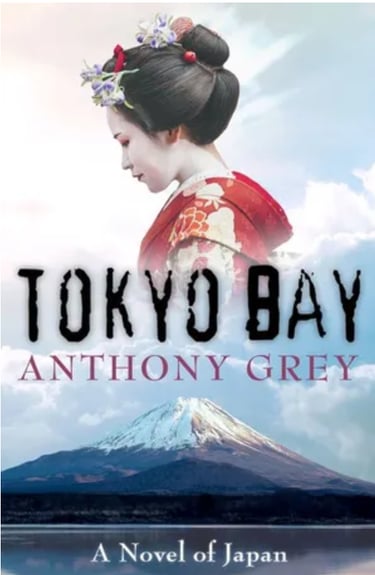
'A thrilling novel of the West’s first journeys to Japan from “a master storyteller” and the acclaimed author of Saigon and Peking.' - The Kansas City Star
'The English writer has hit upon a winning formula for historical novels that rest on solid research and are painstakingly balanced. - Japan Times
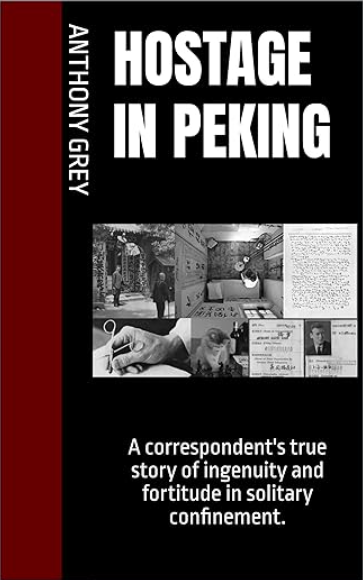
Hostage in Peking: A correspondent's true story of ingenuity and fortitude in solitary confinement
'How a man can survive in a state of stunning emptiness and isolation, stay alive in spirit as well as physically, is the essence of this exceptionally fine and memorable book… What Grey had to face was a psychological pressure of a most insidious kind… It is a book, in short, about a singular triumph of mind, one not to be missed.' - The Observer
'His courage was a response to the absurd; a fine mandate for a 20th Century hero… he has reported from the void: his courage is all the more remarkable for the plainness of the rest. The story does him credit twice over.' - New Statesman
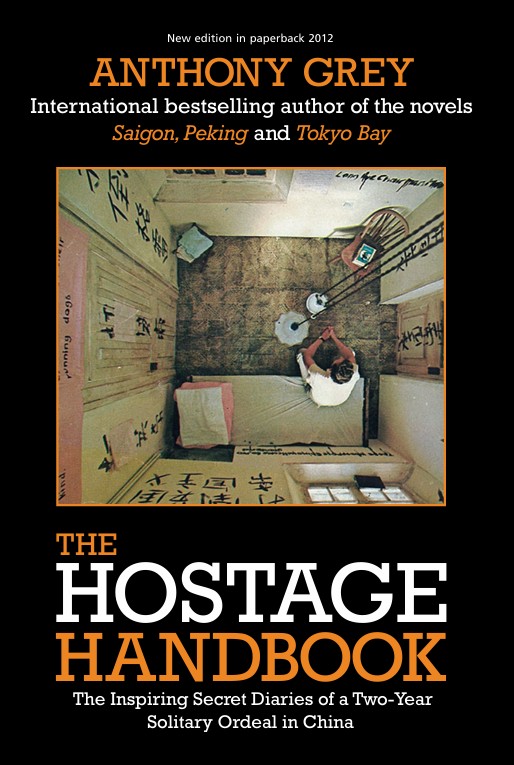
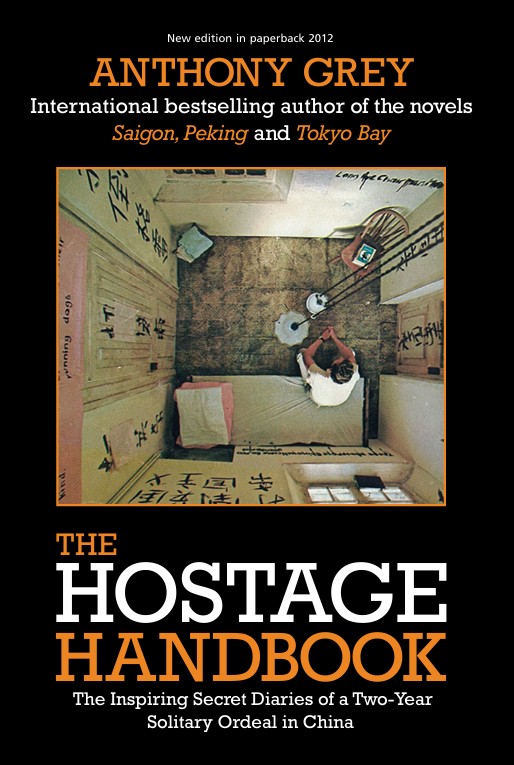
The Hostage Handbook: The Inspiring Secret Diaries of a Two-Year Solitary Ordeal
'Grey emerges from these pages as a man of extraordinary courage, resilience, and strength of character, but also of remarkable modesty.' - Vergil Berger, Former Reuters Correspondent
'A remarkable, painful record of Mr Grey's struggle against isolation, depression and despair, and of his fierce will to maintain his sanity.' - The New York Times
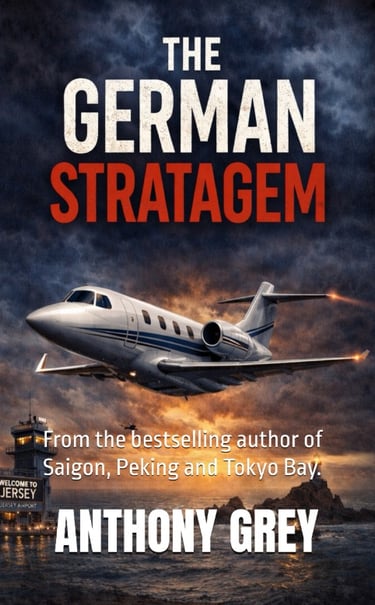
The German Stratagem
'Blackmail, seduction, hostage-taking, hijacking... the story just races along. Bond at his toughest would do very well for the hero.' - Evening Star
'Anthony Grey's first novel is a slick, modern politico-thriller... the total effect is one of considerable entertainment.' - Bristol Evening Post
'It has what most crime addicts like: shocks, gunfights and violence... Anthony Grey draws on his considerable experience as a newspaperman around the world.' - Christchurch Star, New Zealand
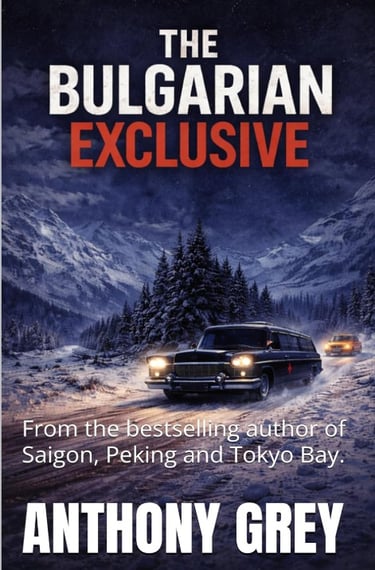
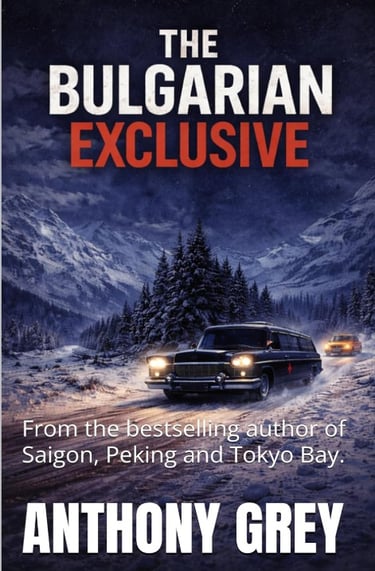
The Bulgarian Exclusive
'An exceptional novel of high-level intrigue behind the Iron Curtain. The reader is almost as easily misled as the hero.' - Booklist USA
'A real cliffhanger... Grey makes the story too real for comfort, the Bulgarian atmosphere very authentic.' - Publishers Weekly
'Grey is a highly-placed journalist who seems to be writing from seasoned experience. A sure bet.' - Library Journal, New York
Other books by Anthony Grey
The Bangkok Secret, The Naked Angels,
A Man Alone, The Prime Minister Was a Spy.
For multiple purchases please get in touch via the Contact page.
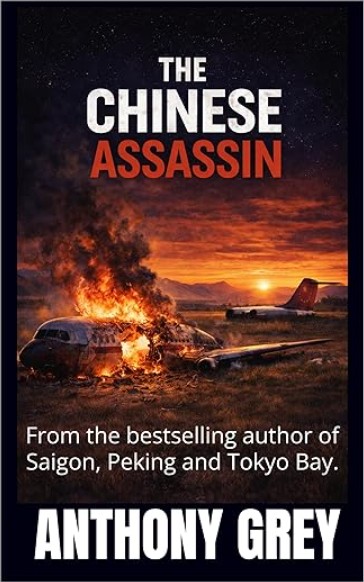
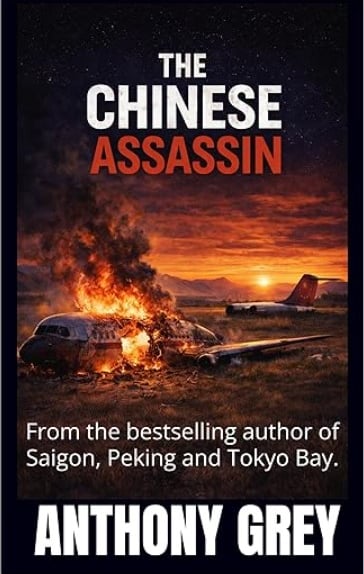
The Chinese Assassin
‘Highly intelligent political faction.’ - The Scotsman
‘Chillingly authentic. Confirms his reputation as a hard-hitting spy novelist.’ - Yorkshire Post
'A must!' - Liverpool Daily Post
Copyright © 2026. All rights reserved.